storage service
How to Choose a Self-Storage Service in Dubai: The Ultimate 2025 Guide
Nov 1, 2025
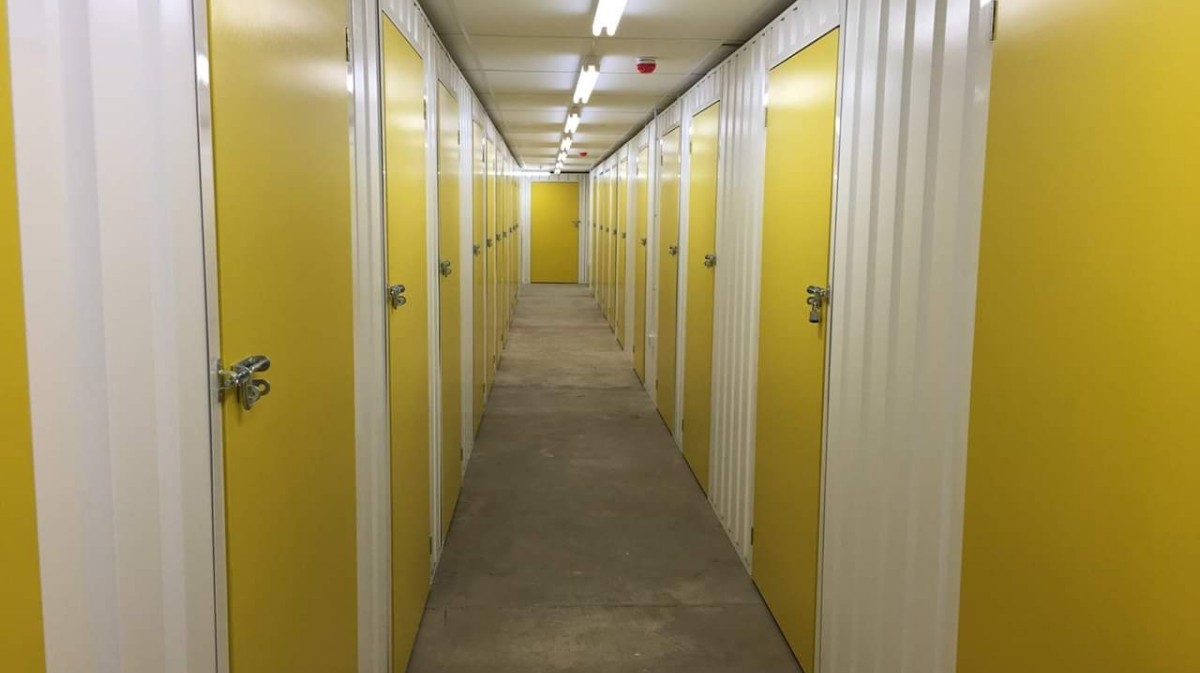
Dubai’s fast-paced lifestyle, booming businesses, and limited space make self-storage an essential service for both individuals and companies. Whether you’re a small business looking to store excess inventory, an e-commerce entrepreneur managing seasonal stock, or a resident relocating to a smaller apartment, choosing the right self-storage service can save you money, time, and stress.
In this comprehensive guide, we’ll break down everything you need to know about how to choose a self-storage service in Dubai, covering types of storage, security, pricing, location, and tips to make the most of your storage experience.
Why Self-Storage Services Are Popular in Dubai
Dubai’s unique combination of high-density living and rapidly growing businesses has increased the demand for self-storage solutions. Here’s why:
1. Limited Residential and Office Space
Space comes at a premium in Dubai. Many apartments, villas, and offices lack sufficient room for furniture, equipment, or inventory. Self-storage provides a cost-effective solution to reclaim your space.
2. Flexibility for Businesses
For businesses, especially e-commerce or retail, self-storage offers a flexible option for seasonal inventory, excess stock, and equipment storage. Instead of committing to expensive warehouse leases, you can rent storage units as needed.
3. Security and Peace of Mind
Modern storage facilities in Dubai provide high-security systems, including CCTV surveillance, access control, and on-site staff. This ensures your belongings are protected 24/7.
4. Cost-Effective Alternative
Compared to renting additional commercial space, self-storage units are affordable and scalable. You only pay for the space you need, reducing overhead costs.
Step 1: Define Your Storage Needs
Before choosing a self-storage service, it’s essential to define your storage requirements clearly:
What are you storing? Determine whether your items are household goods, office files, seasonal inventory, or sensitive materials that require climate control.
Duration of Storage: Do you need short-term storage for a few months or long-term storage for years?
Access Frequency: Will you need frequent access, or is this for long-term storage?
Volume: Calculate the approximate size of the items you need to store to choose the correct unit size.
Understanding your needs will help you select a facility that fits your requirements without overpaying.
Step 2: Consider the Location
Location is critical for convenience and cost-effectiveness:
Proximity to Home or Office: Choose a facility that is close to your residence or business to reduce travel time when accessing your items.
Accessibility: Ensure the facility is accessible via main roads, has adequate parking, and supports loading/unloading.
24/7 Access: Some facilities offer round-the-clock access, which can be valuable for businesses or emergencies.
A strategically located storage facility saves time, reduces logistics costs, and makes accessing your items hassle-free.
Step 3: Evaluate Security Measures
The safety of your belongings is non-negotiable. Check these security features before selecting a facility:
CCTV Surveillance: Ensure the facility has cameras monitoring all areas 24/7.
Access Control: Only authorized personnel should access the units; look for electronic gates, keypads, or card-based entry systems.
On-Site Security Staff: Physical security personnel add an extra layer of protection.
Alarm Systems: Fire alarms and intrusion detection are essential to safeguard your items.
Insurance Coverage: Verify if your belongings are insured by the facility or if you need a separate policy.
Prime City Storage is an example of a facility that combines high-level security with easy access, making it a trusted choice for both businesses and residents in Dubai.
Step 4: Choose the Right Unit Size and Type
Selecting the correct unit size ensures you don’t pay for unused space or struggle to fit your items. Consider the following:
Small Units: Ideal for documents, small electronics, and household items.
Medium Units: Suitable for furniture, office equipment, or inventory stock.
Large Units: For bulk inventory, vehicles, or large equipment.
Climate-Controlled Units
Dubai’s extreme heat and humidity can damage sensitive items like electronics, artwork, documents, or wooden furniture. If you’re storing delicate goods, opt for a climate-controlled unit to maintain temperature and humidity within safe levels.
Step 5: Compare Pricing and Terms
Pricing varies based on location, unit size, and facilities offered. Keep these tips in mind:
Monthly vs Long-Term Plans: Compare short-term and long-term pricing options. Many facilities offer discounts for long-term rentals.
Hidden Fees: Ask about administrative charges, retrieval fees, deposits, and cancellation penalties.
Transparent Terms: Read the contract carefully and understand the facility’s policies regarding access, insurance, and liability.
Affordable options like Prime City Storage offer transparent pricing without hidden charges, making budgeting simple for both individuals and businesses.
Step 6: Check Access and Convenience
Ease of access can impact your storage experience significantly:
Hours of Operation: Confirm if the facility allows access during your preferred hours.
Loading/Unloading Support: Some facilities provide trolleys, forklifts, or assistance for heavy items.
Online Management: Advanced facilities offer online portals to track inventory or manage your storage unit remotely.
Convenient access ensures you can retrieve or store items when needed without unnecessary delays.
Step 7: Review Facility Reputation
Before committing, research the facility’s reputation:
Customer Reviews: Look for feedback on cleanliness, security, accessibility, and customer service.
Referrals: Ask friends, family, or business contacts for recommendations.
Facility Visit: Inspect the facility in person to ensure it meets your standards.
A reputable facility provides peace of mind, knowing your belongings are in reliable hands.
Step 8: Consider Insurance and Risk Management
Even with top-tier security, unforeseen events can occur. Consider:
Insurance Options: Does the facility provide coverage, or do you need a separate insurance policy?
Documentation: Take photos and inventory of your stored items. This will help in case of damage or loss.
Special Coverage: High-value items may require additional insurance or special handling.
Prime City Storage offers comprehensive solutions for high-value storage, ensuring your assets remain protected at all times.
Step 9: Plan Your Packing and Organization
Proper packing can save space, prevent damage, and make retrieval easier:
Use strong, stackable boxes and label them clearly.
Store frequently accessed items near the front of the unit.
Disassemble large furniture to save space.
Create an inventory sheet with item descriptions and storage locations.
Efficient packing maximizes your storage space and keeps your items organized.
Step 10: Ask About Additional Services
Some self-storage facilities provide added value services:
Moving and Transport Services: Assistance with moving items to and from the unit.
Packing Materials: Boxes, bubble wrap, and tape for secure packing.
Specialized Storage: For vehicles, hazardous materials, or delicate items.
Inventory Management: Online or app-based tracking of stored items.
Choosing a facility with these additional services can simplify your storage experience significantly.
Common Mistakes to Avoid
Overestimating Space Needs: Renting a larger unit than required increases costs unnecessarily.
Ignoring Security: Low-cost units may compromise on security features.
Skipping Climate Control: Valuable items can be damaged by Dubai’s extreme weather.
Not Reading Contracts Carefully: Hidden fees, restrictive access, or liability clauses can cause issues later.
Poor Packing: Improper packing can result in damaged items or wasted space.
Frequently Asked Questions (FAQs)
1. How much does a storage unit cost in Dubai?
Pricing depends on size, location, and features. A small unit may cost around AED 400–800/month, while larger units with climate control can be AED 1,500–3,000/month.
2. Can I access my unit 24/7?
Many facilities offer flexible hours; check with your provider. Some, like Prime City Storage, offer extended access for business customers.
3. Are my items insured?
Insurance policies vary; some facilities include coverage while others require you to arrange your own. Always clarify before storing valuable items.
4. Can I change unit sizes later?
Yes. Many facilities allow you to upgrade or downsize as your storage needs evolve.
5. Do I need climate control for all items?
Not all items require climate control, but sensitive goods like electronics, artwork, or documents benefit from a controlled environment.
Conclusion
Choosing the right self-storage service in Dubai requires careful consideration of your needs, security, accessibility, pricing, and facility reputation. By following the steps outlined above, you can make an informed decision and ensure your items remain safe, organized, and easily accessible.
For a reliable, affordable, and secure option, consider Prime City Storage. With modern facilities, flexible storage plans, and high-level security, they provide tailored storage solutions for both businesses and individuals in Dubai.